
Introduction
You Are Here – peer to peer survivor writing – is my second survivor writer’s platform; building on the first: Playing With Fire which took place in 2021.
You Are Here offers an expanded series of workshops, a survivor writer’s group, via Spread The Word, and a series of interviews for the Wellcome Collection archives. Alongside this I had time to write and finished my novel Artists Are Demons, with Olumide Popoola as my mentor.
In addition to one-off survivor writers workshops, which provided a structured space where survivor writers could come together to explore common issues in writing as survivors. I decided to create a survivors writing group, because I wanted to share a more ongoing space with peers. The group was aimed at writers developing an ongoing body of work; and offered an opportunity to meet regularly, to exchange and support each other in our creative work.
The writers group met every two weeks: five online sessions on Saturday mornings, spaced across October to December. Over the course of the zoom sessions writers shared new work – read pieces out loud, discussed common themes, brought current problems to the group; gave and received input. Between our zoom sessions we communicated via Slack message board: posting new work, having conversations, sharing our writing struggles and triumphs. The group provided impetus, encouragement, identification and a place to try things out. By its nature it was an intense space where people brought their full powerful and vulnerable selves, it was also a place of camaraderie, listening deeply to each other, and cheering each other on.
This online showcase and its print counterpart, highlight survivor writing and feature commissioned pieces from the survivor writers group.
YAH uses an open definition of survivorship including but not limited to survival of sexual violence. There are many things people survive, homophobia, racism and transphobia, I wanted people who identified with the need to share space with other survivors to feel welcome. All writing forms were included: fiction, non-fiction, poetry, blogs, monologues, performance texts, critical writing, writing which incorporated graphics; in workshops and the writers group there was no instruction to write specifically about survivorship.
It has been my experience that while as survivor writers we may come from a wide variety of backgrounds and have different experiences of survivorship; we often share similar resonant effects of our experiences.
The interviews which are part of YAH were conducted with writers in my personal network, some of them Playing With Fire alumni. Survivor writers who spoke at length about their development, process, cultural surrounds, struggles and determination as writers. Playwrights, film makers, novelists, poets, academics, researchers, editors, organisers and activists; sharing their outlook on how and why they write.
The online showcase and zine feature short quotes from the interviews; the interviews in full can be accessed in both audio and transcript form. This content and other materials related to the project will be added to the You Are Here Survivor Writers archive at Wellcome Collection.
A grant from Grand Camp Maisie Fund has made it possible for You Are Here – Survivor Writers to print a second edition of the 2024 Survivor writers anthology. Huge thanks to the Grand Camp Maisie Fund for their support and generosity!!
The more I have space to listen and share with my peers, the more I believe in our shared wisdom. It’s from my peers that I’ve learned to clearly recognise my own experience and to believe in something other than the shallow narratives written ‘about us’. Peer to peer spaces have shown me new possibilities – for envisioning who I am or what I can be – they have given me strength. I hope that this collection of writings and interviews can bring a sense of solidarity and support to other survivors and writers.
~ Jet Moon
“Find your cheerleaders, find the people who are
going to support you in having a voice…
This Survivor Writers Group: it’s just such an
amazing thing to be celebrated by other people.
I think that is incredibly important to find those
spaces where your most tremulous voice can have its beginnings.
To do it alone is one thing; to do it with other people
– giving you that swell of listening approval –
is something else. So find your cheerleaders, find
your little group of people that you can be
together with.”
Listen to the audio version of Jet’s quote
Olumide Popoola and Jet Moon in conversation
On peer knowledge, mentoring, and the action of writing.
Listen to the full conversation while you read: press play or click on title to open a new tab in SoundCloud
Jet Moon
So, I’m really interested in this peer knowledge, obviously, I think, because I’ve had to be interested in it, and how we find ourselves reflected or make sense of things and have a sense of empowerment through that recognition. And there’s this baffling at times thing of what’s invisible, what’s dismissed, what’s denied. And it can be so glaringly obvious when you’re around your peers and yet other people don’t see these things that feel very integral to your life. And you mentioned this idea about how you said something, and I don’t know whether it was meant to be significant or not, but I took it as such, you’re like, oh, yeah, you know, I can really place people according to what they know. And so I am, I’m interested in that idea of like knowledge in terms of communities, but also survivors’ writing and how we find our voice or our audience.
Olumide Popoola
…I thought about peer knowledge and I thought, what is it that I seek out? And I’m at my best when I have very intimate intellectual friendships, or creative friendships
…….So that’s what I thought of when I looked at this idea of peer knowledge. There’s people I love in my life to challenge me on my journey, but I for that to work really well, it works best when I have this sort of quite intimate relationship with them, so that trust is there.
Jet Moon
Absolutely,……
…when I said this thing about knowledge, I think it was probably in the first meeting that we had, it might have even been before I sent you the manuscript of the book. And I think that we were probably talking about ideas of knowledge around navigating institutions, navigating publishing, navigating writing or the arts, where sometimes I feel I don’t particularly have a lot of knowledge about how to do it. I don’t have that…it hasn’t come from somewhere, like some kind of line of education or whatever. And I felt that you were speaking about something like this.
Olumide Popoola
I have a little bit of knowledge, but only a little bit, I still, I think I have some knowledge of it in a sort of outsider-ish sort of way. So what I mean by that is, you know, I have an independent, small publisher, so you’re always still left out of how it really works, you know, in the mainstream area. But also, I work a lot on that. (To)give people access to at least what I know. So what is the idea? How does it work, like, to get on board of publishing? What are the steps involved?….. What money is involved? How can you make money? And nobody talks about that…as this, so you know, romantic notion of the writer and toiling away and all that and, yeah, and how do you survive y’know?
Read and listen to the full interview here
Creative writers’ group
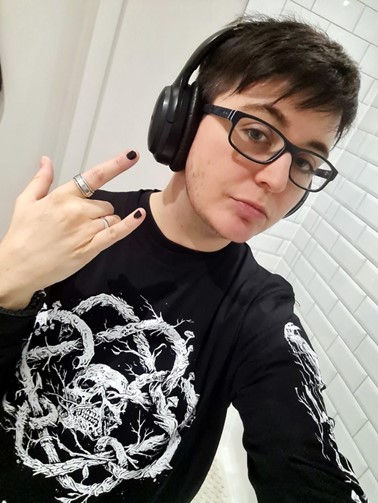
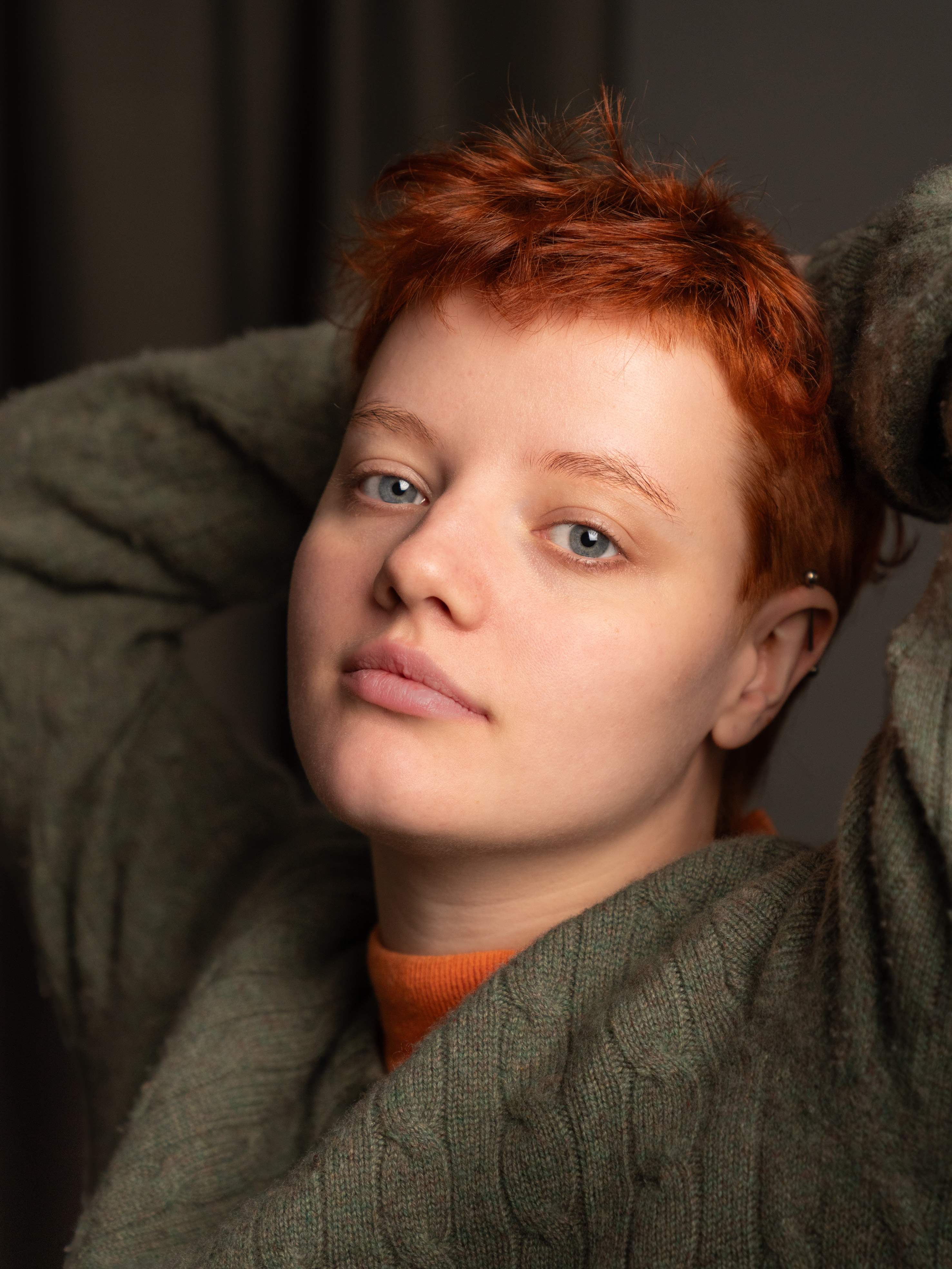
Ren Erickson
The ritual for it goes like this
Amiot Hills
Large Fleshy Leaves
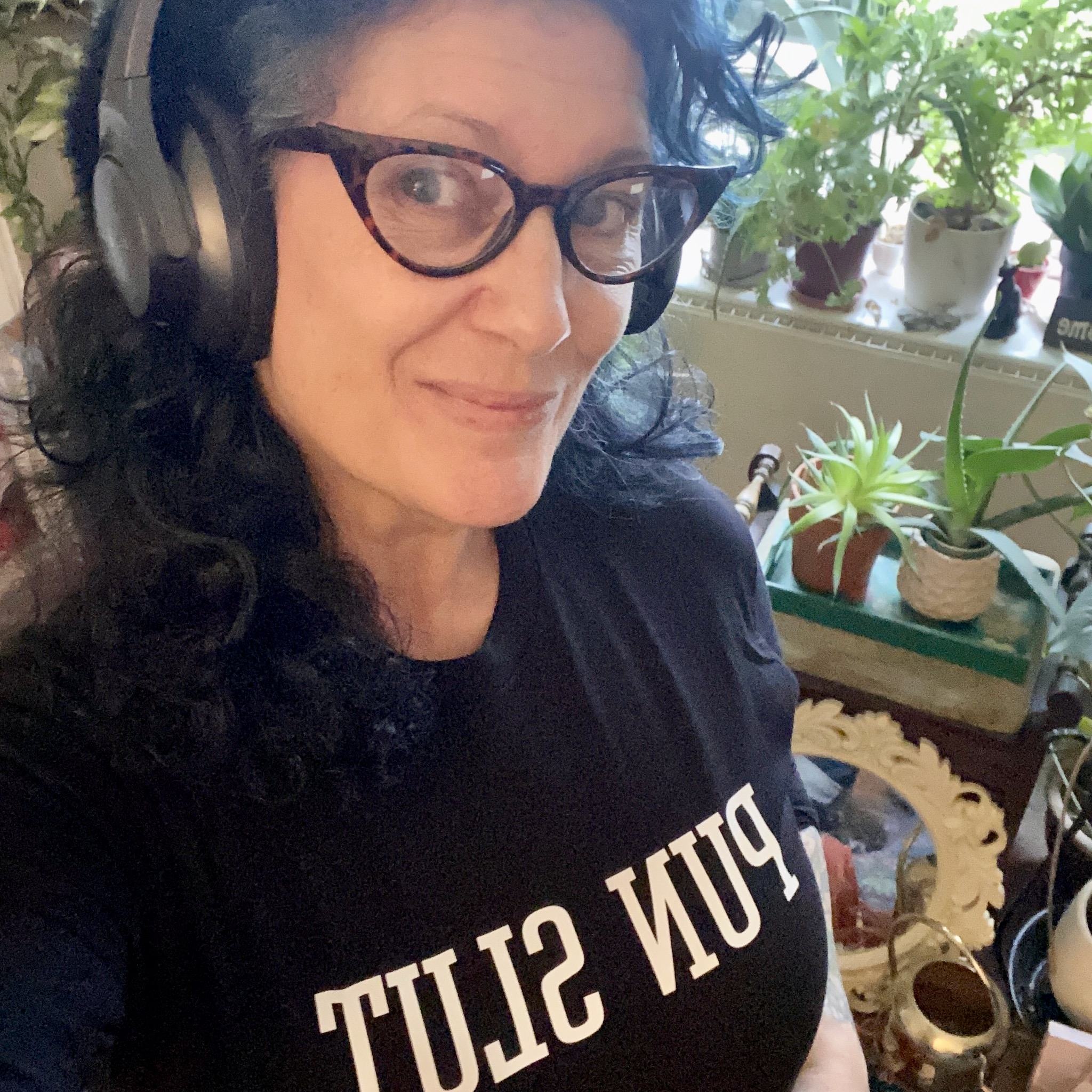
Jet Moon
Dollar
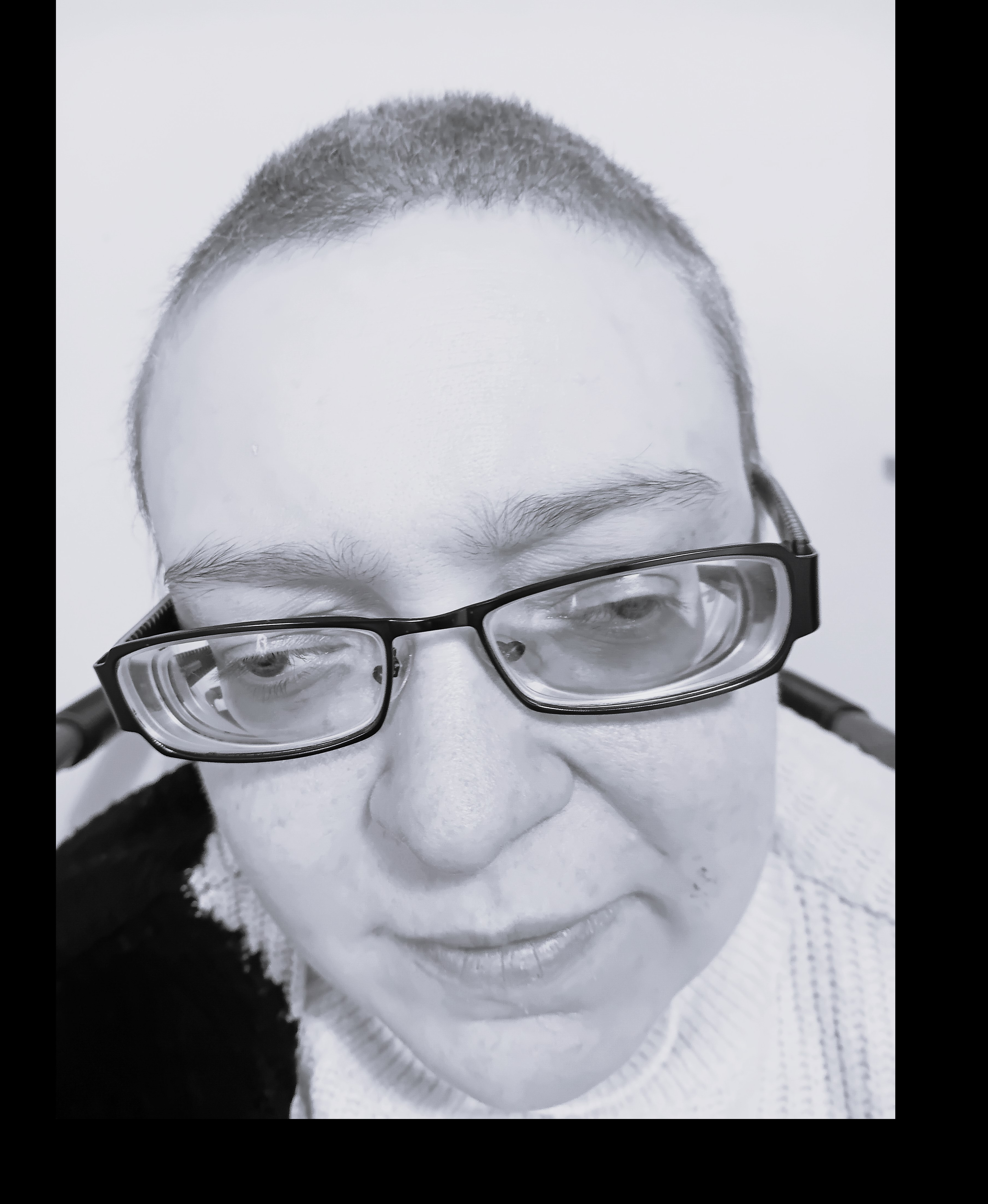
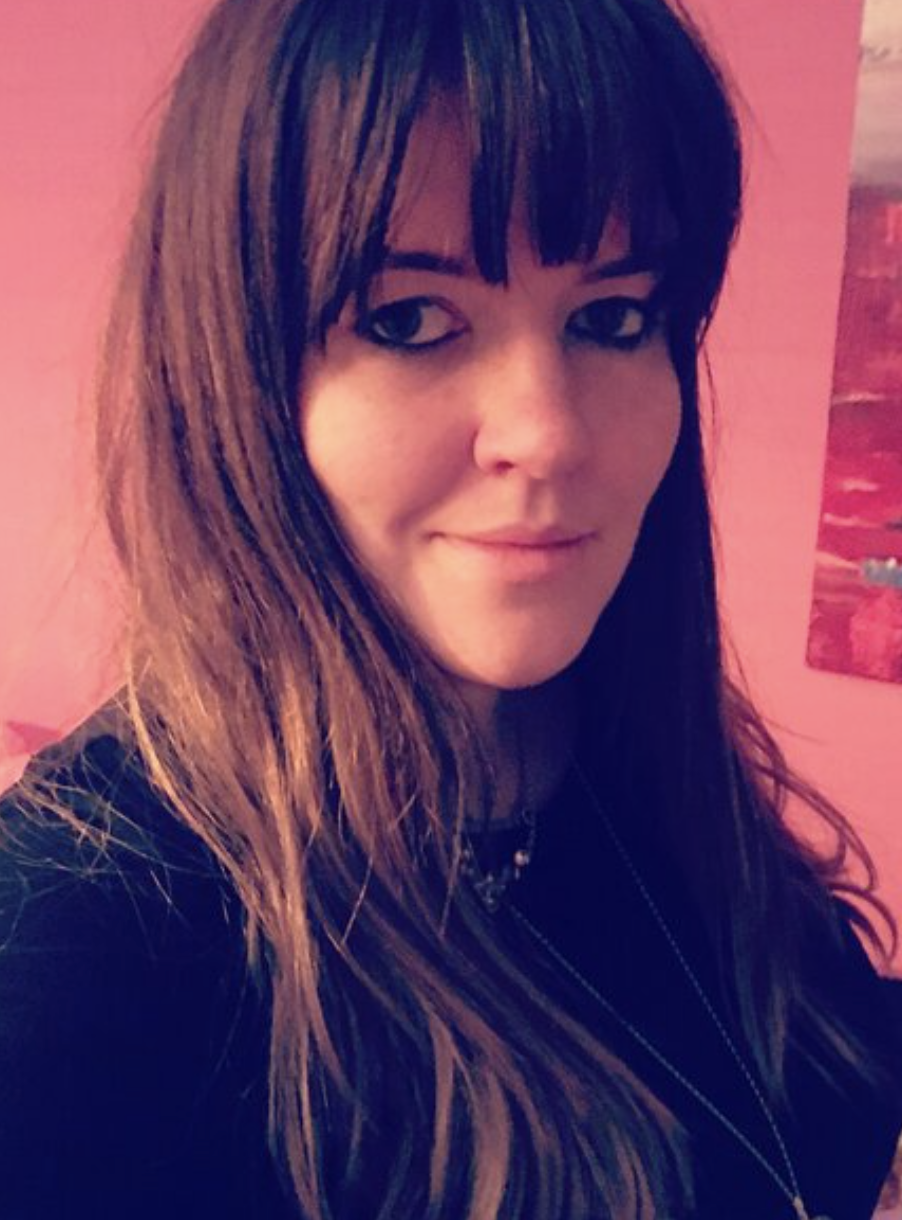
Elinor Rowlands
The Guilt I Hold of What I Couldn’t Communicate
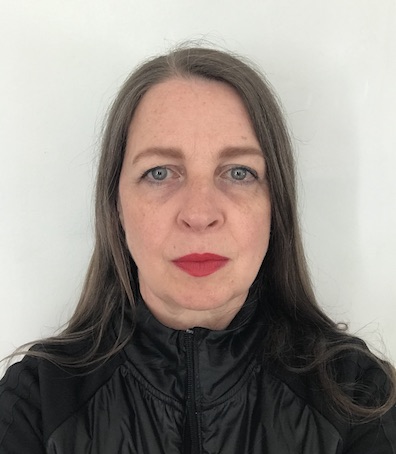
Lucille Power
I make no apology for my words
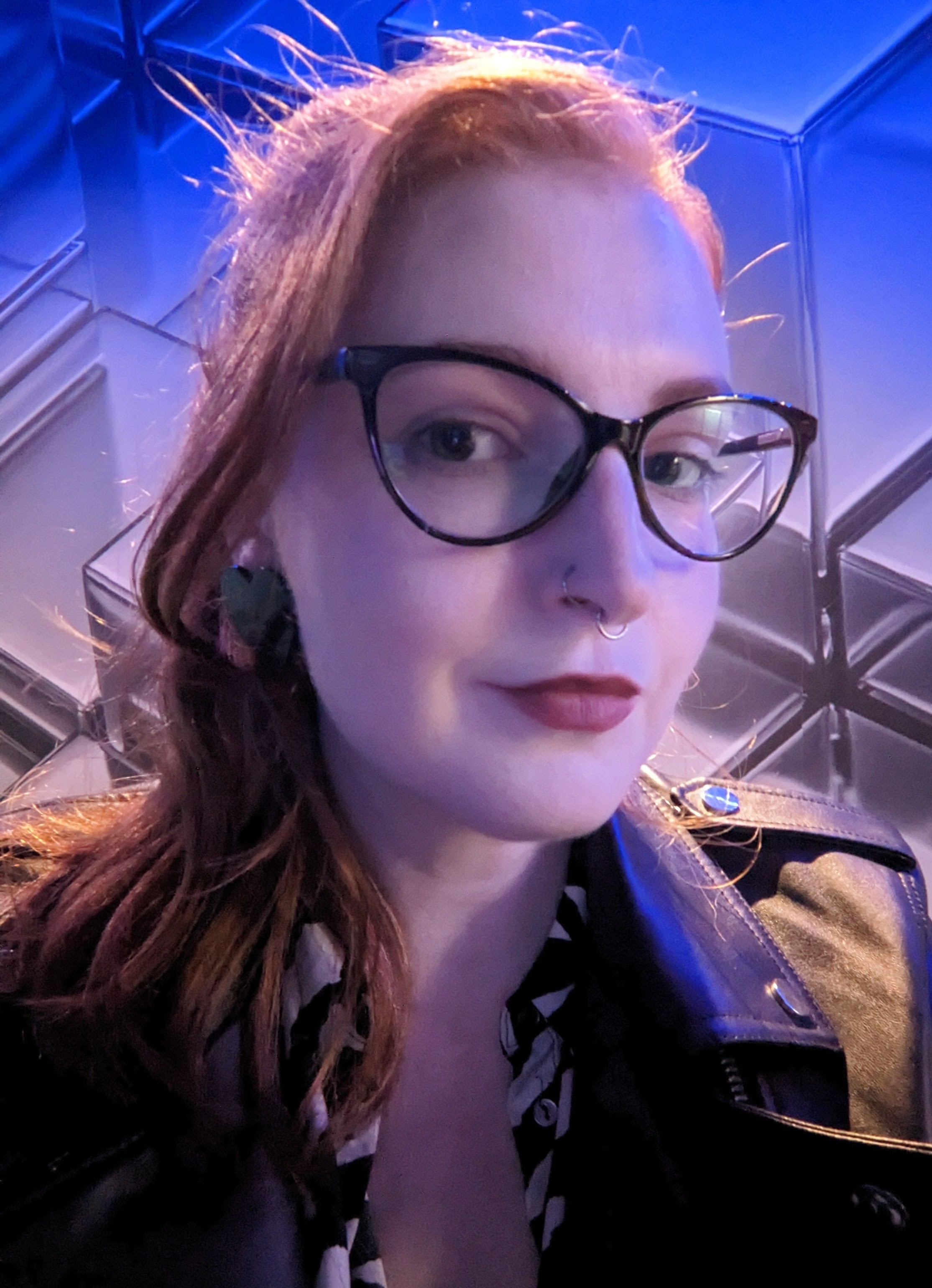
Arran Mara
Music
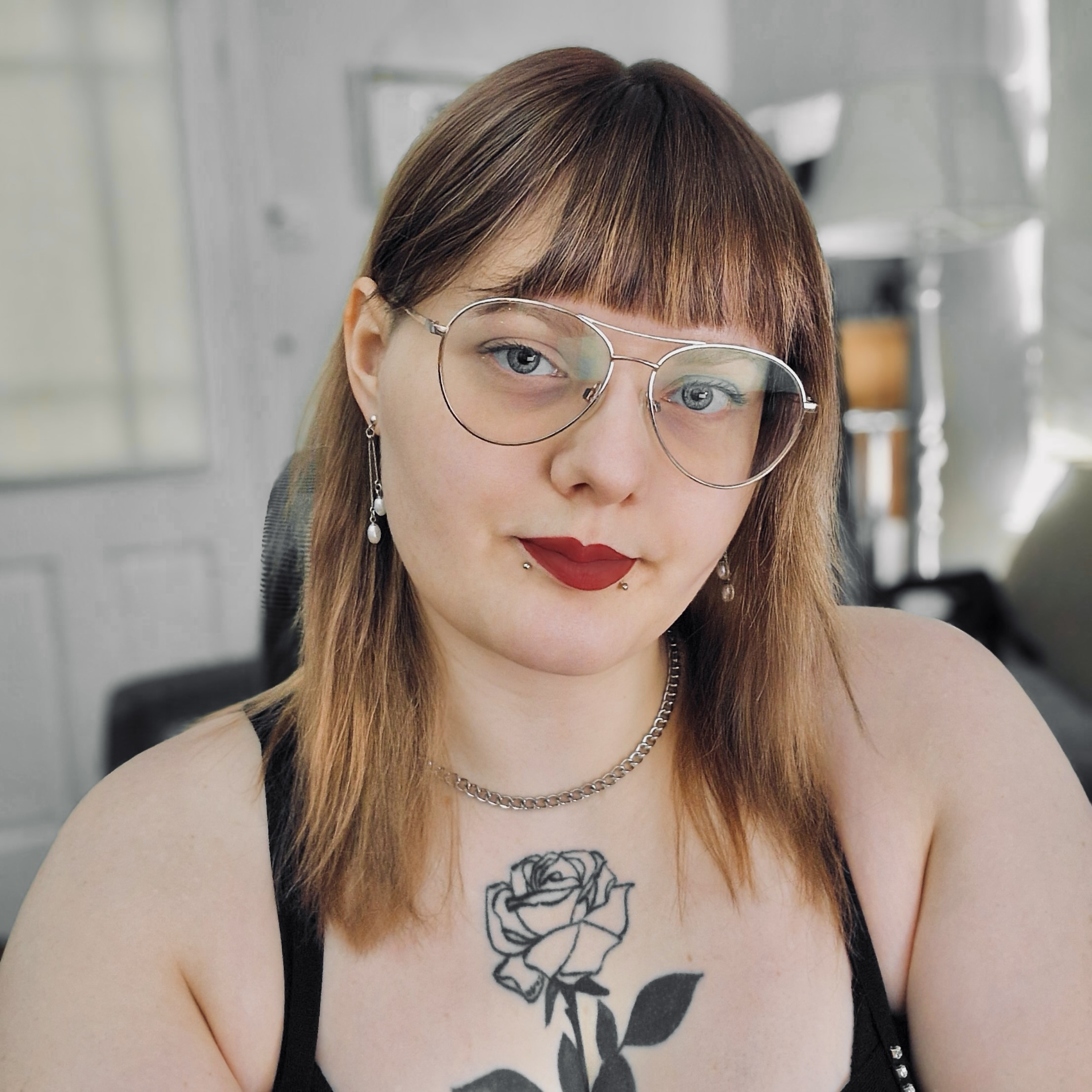
Ennis Welbourne
A Photo & Fossil

Francine Hajilou
Totems, Tokens and Abstractions
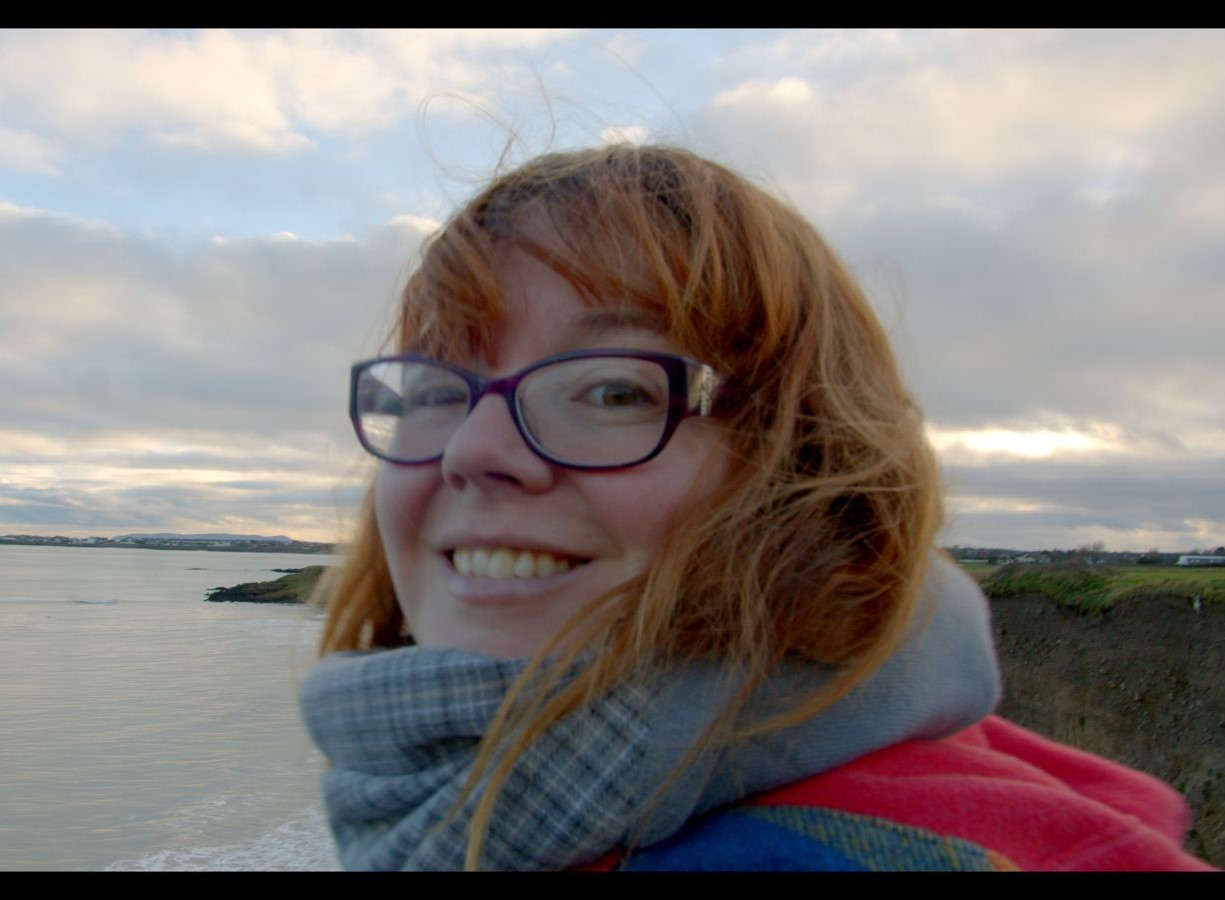
Órla Price
All My Friends Are Lonely Too
Interviews

NR
“…one thing I want to say, upfront, because I feel like it’s… advice to other survivor writers almost on this question of the toll, of trying to speak what has previously not been said in this way is… big.
And I don’t want to say it’s like ‘toll,’ as in just the cost. But I don’t think this is necessarily just about writing creatively as well. I have this with academic writing and other critical writing too.
To work on things that are challenging, difficult, personal, that your body has been through. I want to say that either as your body as we exist now, in this moment, or maybe your body as you understand it ancestrally… …I think to work through that is also… that’s where the power comes from.
And there was some elements when I was performing this, especially the second performance [in Galway], where I just kind of felt this flow of like…there’s something about the embodied…my embodied presence in the performance and trying to literally just have a flow that’s a bit more playful,…
…it’s like an embodied language.
It’s like a…an expressiveness that does feel kind of like animated and playful and a bit lighter, coming from the.. as like a way of trying to release the weight of the heaviness of thinking about these historical traumas.
Yeah, so that’s… that’s maybe the performance and liveness thinking about it there. And that’s part of how to respond to that, I think trying to respond to these weights.”
“Survivor writing, there’s a whole kind of magic to it. Even though some experiences are really difficult and traumatic. It’s not just for the writer being able to kind of exorcise some of these demons and make your own load lighter…
literally just by putting the words on a page, you know, that page is very heavy and it’s a heaviness that has come from you. And it’s not just about creating something durable about the transience of life as well. But it’s really about taking people into a realm where there are stronger forces at play than you might get in your kind of day-to-day life. It just takes you into a realm where you know that there’s….it has a mythic kind of proportionality to it, things that are charged in a way that they are not in daily life and to be able to touch into that power by writing about it and then sharing that power with other people, it’s a fantastic thing, it’s an enlightening thing.”
JMc
“Sometimes I get weary, you know, I’m kind of tired of hearing the word resilience, or ‘you’re so resilient’. And I think actually, sometimes it’s really tough, really tough to keep going. But what’s the other option? Do you know what I mean? This is my life’s blood..
This is the breath that keeps my heart pulsing, you know, my artwork, the creative theatre making, filmmaking whenever I’m making (I’ve been involved in a visual arts exhibition recently). But whatever it is, it keeps me alive. And it’s the only way I can actually talk truth to power.”
GS
“I think that when we’re faced with things like genocide…when we’re faced with something that big, and that incomprehensible, I think the first impulse is to say let’s put creativity on the side.
Like, that’s really the first impulse I feel. That’s in the first days, it feels so daunting, because it’s like there’s no place for words almost. There’s no words to describe the enormity of what it is that we’re going through, the horror, and also the horror of realising that, you know, how banal it is, to some.. (again going back to the ideological war.). And so it feels like writing is in suspension, a suspension at that point, because we want to bring a truth out desperately…except what words do you use for that? ….
…….But I definitely felt this moment where we stop and say: do we even have words? And I think recovering language is then the process of dealing with the trauma, as well.”
SJL
“There’s a question about whether drawing any kind of equivalence (between survivor experiences) is useful, whether it’s a true or a false one. I feel like it’s really hard for any one person to say, but I think the intent is important.
So with the case of the pandemic, it’s quite easy to say well, we’ve had other pandemics in the past that have had a very different response. If we talk about the HIV AIDS pandemic of the 80s. It was very different. And there’s a lot of reasons why it might have been very different. So we can still talk about the commonalities without necessarily eclipsing the past.I don’t think it should be done to cover up somebody else’s experience, to step on somebody or to talk over somebody, I think it should be used as a way of relating to other people. And yeah, and doing something useful. It’s something that’s constantly being negotiated and navigated. I don’t know if I’ve been lucky, but I think a lot of my experiences with other writers has been that people are quite open to…to sharing space with each other and to hearing other people’s perspectives.
I think it can be empowering as well, to take a step and experiment with drawing some level of equivalence, it doesn’t mean, you’re saying your experience is identical to somebody else’s, because it can never be. But respecting somebody else’s story means you have the capacity to give yourself that same respect. And that same validation, and I think, I genuinely believe that’s the most loving thing that we can do.”
“I think the most important thing for me personally, today is the importance of private writing. Private writing for me is very much important to my survival, and how I deal with things on a daily basis. I think we’re dealing with powerful things, you know, the word ‘survival’ is not to be taken lightly.
People who consider themselves to be survivors in whatever context that is…you’ve had to overcome something that was very dangerous, or multiple things that were very dangerous to your wellbeing in your life. And I think that carries a long legacy for a lot of people for different reasons. And I think that is why the private writing practice is so important, because it allows me to live with those experiences. And I think that is the most vital thing…it’s not about importance, it’s about a need, isn’t it? Like for me, I need to do that, because I need to carry on. Need to find a way to live, basically.
The thing with sort of more public facing (writing) is that, who knows how that will manifest.. but I do think that humans are creative. I think that’s part of a human desire to be creative, and that that can manifest in lots of different ways. It’s not necessarily an artistic thing, always. But I think that creating something or making something or producing, they’re very important to the survival of humans in general, aren’t they? you have to make stuff do stuff, otherwise, you can’t get your basic needs met. And I think that that’s why often creative stuff, it does have a sort of defiance to it and such a powerful transformative mode, because it’s doing the opposite of what some adverse experiences would want, which is to destroy you. You know, so it’s like, do it, I suppose. It’s doing the opposite of what…of what you think is being asked of you.”
JB
“I really wanted to tell a story about that time, because that time marked to me a kind of a change, .. So it was the Gender Recognition Act of 2004 I remember, we all took the piss out of it. (but) I think there was a change in how we saw ourselves as a community, how we thought about being trans.
And so I’m kind of writing about that through a character. I’m writing about a character who starts out wishing he wasn’t trans, and ends up being really glad that he’s trans, who starts out thinking that trans is a curse, and ends up thinking that being trans is a blessing
I think that there was a shift in how we thought about ourselves and the kind of knock on effects to where we’ve got now. And I think there’s an inevitability about it, you know, it’s not that we were making these great political strides. But I think, as a community, we were changing. We were changing how we thought about ourselves,…just a sort of different sense of, dare I say the word “pride”, you know, that walking, being part of the trans group on Pride and feeling like, “yeah, I can stand with this. And this is a word that I’ll use about myself.”
“One thing that is also connected to survivorship for me and maybe as a researcher as well, is this notion of like, “would I be happier, more content person if I didn’t know all these things very intricately, if I didn’t know how the welfare state distributes safety and unsafety
and if I didn’t have words for all these kinds of, of cultural messages that come at me as a disabled person?” And then I think…when I think about that, I also think that if I didn’t know what this was, it would just affect me and I wouldn’t have words like it would just be this state of…of wading through these undescribable or unknowledgeable experiences that would just happen to me and that would, I think, feed into this notion of internalisation that,…, then it’s me, then if all these things keep happening to me, then it’s, it’s me, and it’s not the…and I think that that’s what’s so freeing for me about this politicised or oppression driven understanding of what disability is, and also freeing about the survivorship identity in that sense. I wouldn’t say that I use…I don’t use it often to describe myself, I think in general, but when…when you asked me about how I feel, it ties into my, my being and the work that I do.”
DC
“I fell into writing, because writing was never my thing. I only said I was going to write because once I got into the acting industry, I was in this industry that embraces me, but at the same time, I’m not seeing people… I’m not seeing my story being told…
I’m not seeing people like me in the theatre and I’m still not seeing people like me on TV. And when I do see people like me on TV, I’m seeing Top Boys, what else is there…the Kidulthoods. I used to think but I’m from that area and I have a story and I want to see myself in those stories. So you know, I’m gonna write a story. And that’s when I wrote my first ever thing called Batty Boy. And the journey has continued. But that’s how it sparked in me, surviving in my world and making sure I survive in my career because.I deserve to have a voice and I deserve to be seen. And I think it’s something I’m still currently going through now, even with my successes that I’ve had.
I think that one thing Short Flicks taught me was: don’t tell the story that you think the world wants to hear, tell the story that’s important to you because that’s what’s going to be good. And I think so much depends on what you’ve been through in life, the knockbacks, especially if the story or part of the story that you’re telling is from so long in the past and insecurity or something that you wasn’t confident about, you do get into this thing of “who’s going to care about me?” And you think of all the negatives but for some reason, there was something in me that just knew that it was a good story.”
JM
“I was in this jangling space, where I could hardly think. You know, couldn’t form coherent thoughts or sentences; I was often recycling images, in this flashback space once again.
And often when I’ve been in these really awful spaces, there’s been a lot of times when I’ve thought, ‘Oh, you know, is this the end?’ Or ‘I’m completely fucked, what can I do from this space?’ That what I’ll do is, I will try and force myself to make something. You know, because at the end of the day – then at least you have made something – you get left with something. Rather than sitting in this space of nothing, where you’re eating yourself, your trauma is eating you.”
Acknowledgements
This project is supported using public funding by the National Lottery through Arts Council England. In collaboration with Spread The Word and Wellcome Collection.
The second edition print is supported with funding from the Grand Camp Maisie Fund, content produced and published by us does not necessarily reflect the position of the Grand Camp Maisie Fund.
Huge thanks and connection to all the survivor writers who took part. Also everyone who supported with access and helped to make things happen.
Copyright © 2024 Jet Moon. All rights reserved.
Overall copyright for the project and zine publication remains with Jet Moon.
Individual authors retain copyright over their own works. Interviews have shared copyright as per agreement between Jet Moon and those interviewed.

